
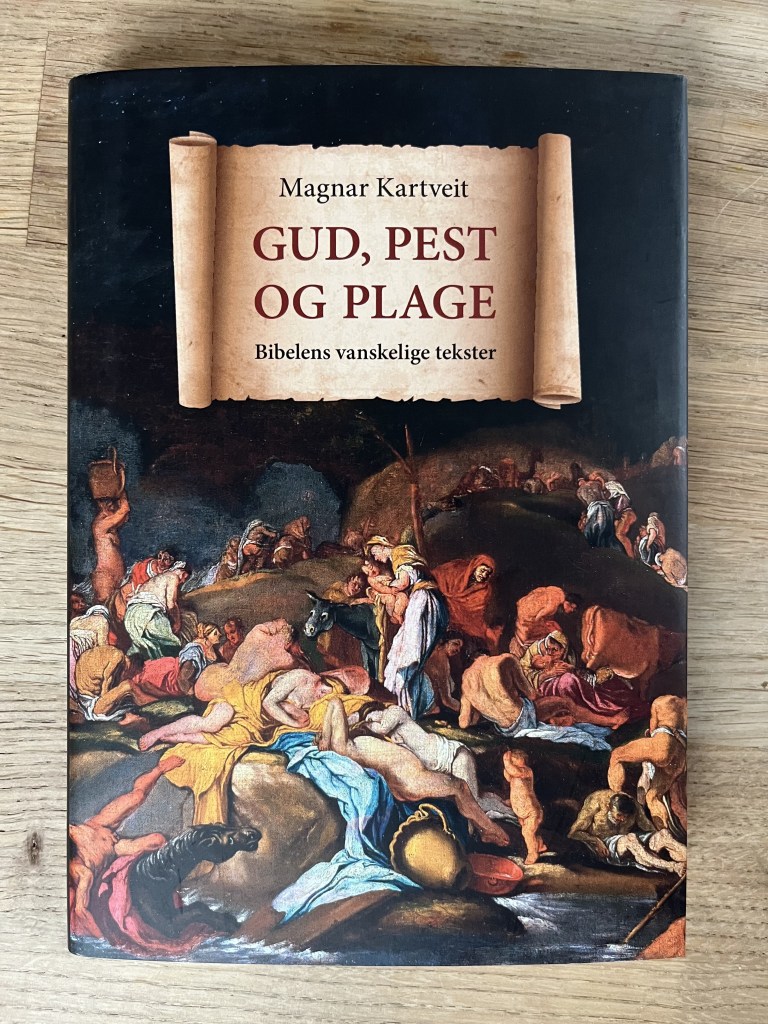
Here is are my extra thoughts on Magnar Kartveit’s chapter “Abraham Skal Ofre Sin Elskede Sønn” in his book Gud, Pest og Plage.
Magnar Kartveit’s book is written in Norwegian, so his quotes below are (currently) left in Norwegian. My review is written in Norwegian as well, but these extra responses have been left in English. See my review of his book Gud, Pest of Plage here.
In this chapter, Kartveit believes Abraham did almost sacrifice Isaac, but that later biblical authors felt so uncomfortable by it they tried to avoid talking about it. Kartveit believes it is a possibility when he writes, “The Books of Chronicles may have felt uneasy about the near-sacrifice of Isaac.” («Krønikebøkene kan ha følt et ubehag ved nesten-ofringen av Isak.») (p. 55).
Kartveit believes this to be so because the Chronicler mentions Mt. Moriah in 2 Chron 3:1 but not the Abraham and Isaac episode.
Abraham’s Trust
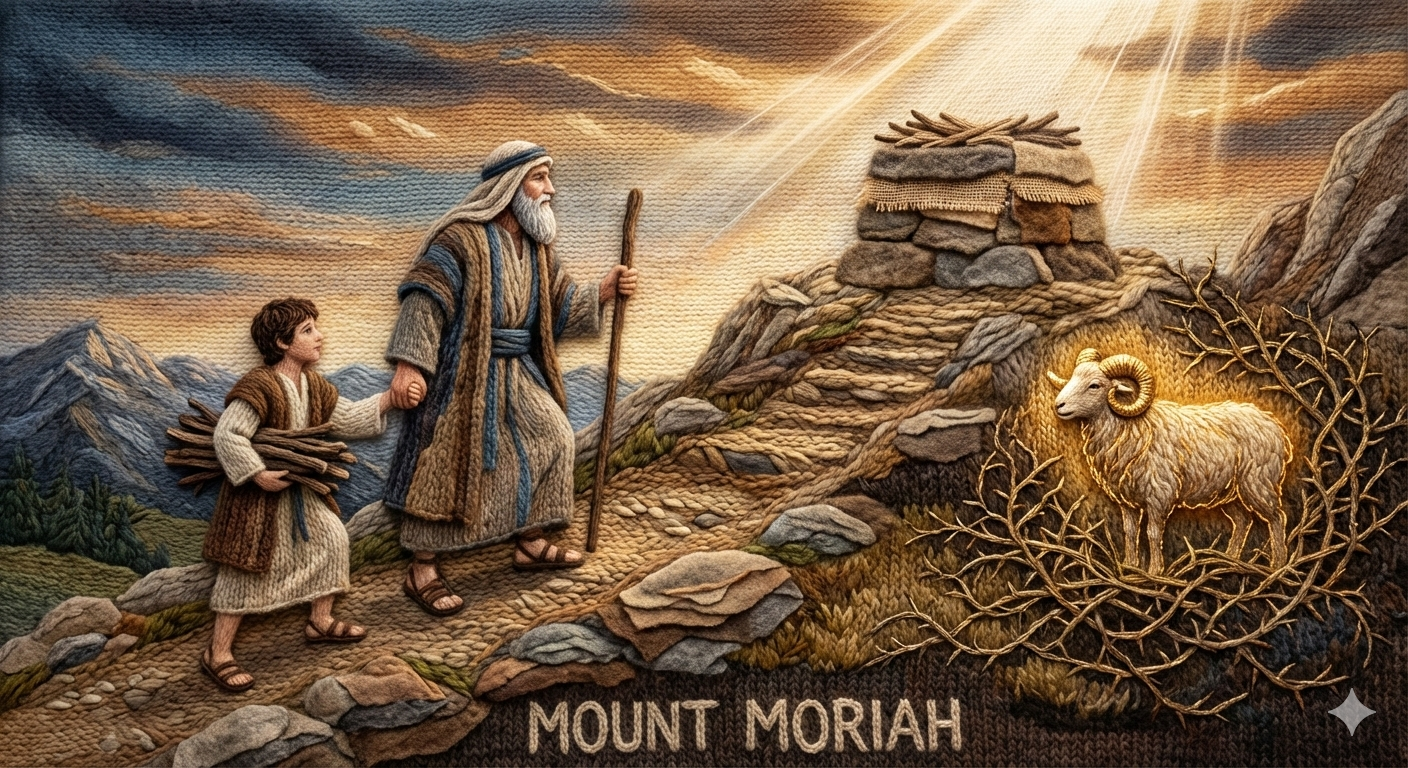
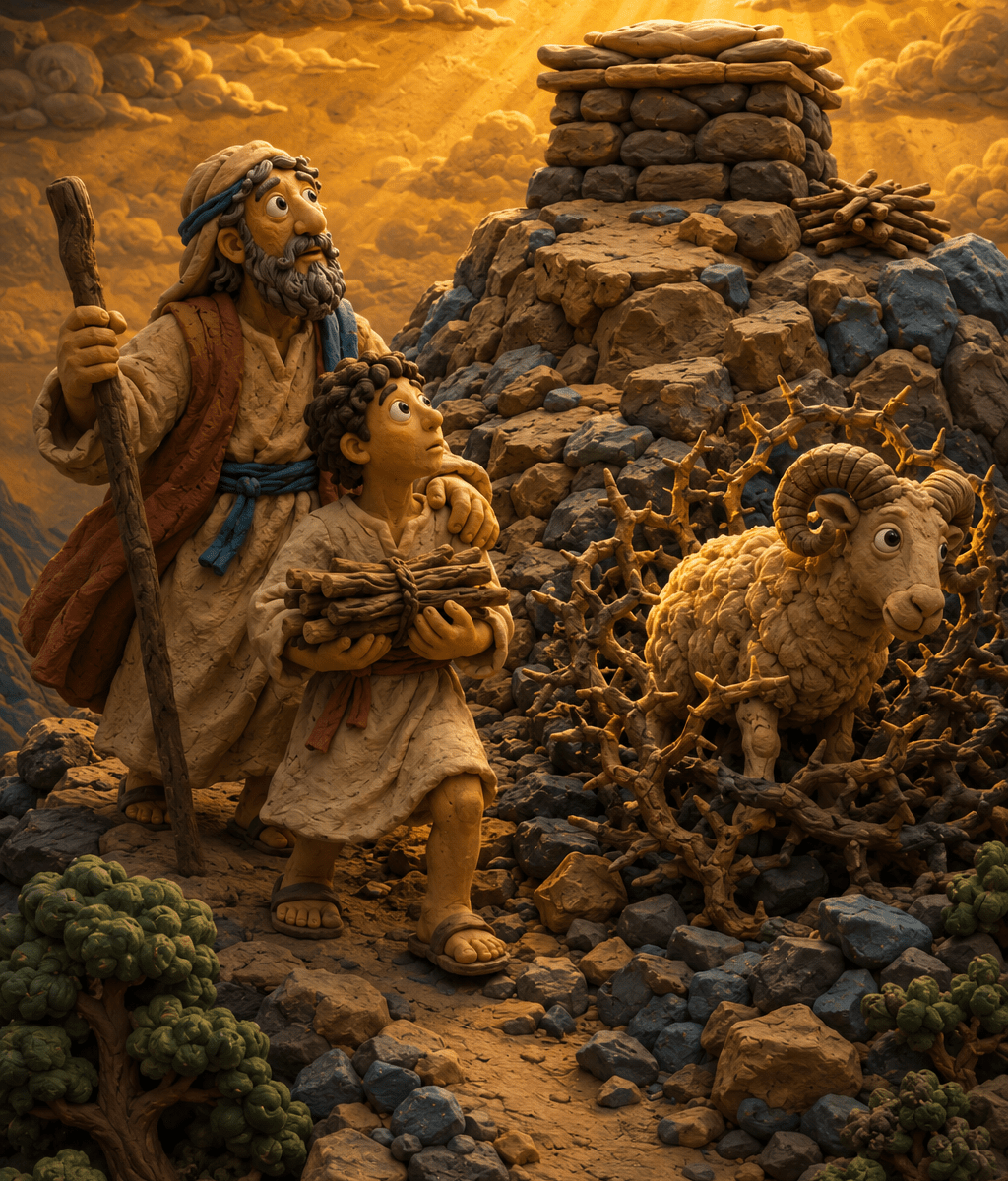
How could Abraham bring himself to do such a thing as lead his son up Mt. Moriah to sacrifice him to God? How could God, who never allowed the sacrifice of children of any age, command Abraham to sacrifice Isaac, even though it were only a test?
Stephen Dempster gives us a linguistic hint here as to the importance of this episode. The Hebrew construction ָלֶ ךְ־לְ ך is found in the entire OT only in Gen 12:1 and 22:2. Abraham’s first call in 12:1 to leave Mesopotamia is paired with his second call in 22:2 to sacrifice his promised son. This linguistic construction provides bookends for Abraham’s story.
Dempster observes, “Thus, the first divine call commands the patriarch to give up his past, represented by three descriptors: country, kindred, and father’s house (12:1). The second call asks him to give up his future and raises the stakes with four descriptors of Abraham’s miracle heir: your son, your only son, the one whom you love, Isaac (22:2). Significantly, the second call reemphasizes that Abraham’s descendants will be the means of universal blessing, this time because of Abraham’s obedience (cf. 12:3; 22:18)” (45–46).
God first called Abraham to leave his father’s house in Mesopotamia. He promised to make Abraham into a great nation, to make his name great, and to bless the world through him (Gen 12:1–3). The Lord appears to Abraham in Gen 12:7 and promises to give him the land upon which he walks—Canaanite territory. The Lord rescues Abraham and Sarah in 12:17, afflicting Pharaoh with plagues. The Lord promises Abraham all the land he can see as well as numerous offspring (13:14–17).
Then in Gen 15 God cuts a significant covenant with Abraham. God promises Abraham that his heir will be his very own sons, and his offspring will be as numerous as the stars (there may be more to this given that stars often represent the gods in the OT in ANE literature—see David Burnett’s thesis “Abraham’s Star-Like Seed“). Abraham believed the Lord, and it was counted to him, this formerly pagan man, as righteousness (15:6).
Next, God again promises to give Abraham this land. When Abraham questions the Lord, rather than giving him the answer, he makes a covenant with Abraham. Abraham cuts three animals in half and lays two birds next to them. Just as Adam is put into a deep sleep before he met his covenant partner (Gen 2), Abraham is put into a deep sleep (15:12). Then smoke and fire pass between the pieces (15:17; 2 Mos 14).
This was a commonly known way to make a covenant. Both parties would walk through the pieces as a way to say, “I will keep my side of the agreement. If I do not, let me be cut apart like these animals.” See Jeremiah 34:18–20.
But if this covenant includes both parties, why doesn’t Abraham walk through these pieces? It is God alone who will keep his promise. His people will break their side of the agreement, but he will one day take the punishment. Jesus will believed “torn,” pierced on the cross (see books by Gentry/Wellum and Sandra Richter).
Due to this, Abraham trusts absolutely that God will keep his promise. This land will belong to Abraham’s offspring. But how will Abraham have offspring?
God made a covenant with Abraham in Genesis 15 that had serious implications for the particular covenantal party who didn’t keep their promise. Abraham knew God would stay true to his word (he was the only one who walked through the animal pieces, Gen 15:17!).
Embarrassed?
But the Chronicler wasn’t embarrassed over the Abraham-Isaac incident. He merely didn’t see the need to bring it all up. Both Old and New Testaments are ripe with incidents where the author uses one or two words to refer back to a previous event or biblical book (this occurs all over in Revelation). The authors were terse with their words.
In regards to Chronicles, George Athas notes that the Chronicler focused heavily on David more so than any other biblical character due to the permanent covenant God made with David (134). David is a focus all throughout Chronicles, even after he dies! The character of kings is matched up against his character. While David was a man of many faults, he followed God alone all of his life. The only other occurrence of Moriah in the OT is in Genesis 22:2, and every Jew already knew what happened there.
The New Testament’s View
Kartveit also ignores the two places in the NT where Abraham and his faith are mentioned positively in regards to the almost-sacrifice of Isaac—Hebrews 11:17–19 and James 2:21–24. Neither the author of Hebrews nor James shy away from using Abraham, not just as an example, but a supreme example of faith. If James’ readers felt uncomfortable by the bear-sacrifice episode, James’ example would not have worked. It would have had the opposite effect of disgusting them. Instead, this episode was the culmination of Abraham’s faith in God’s promises and his proven character. These two texts should have been wrestled with, for they push against his whole chapter.
Resources
Books
- The Epic of Eden by Sandra Richter
- God’s Kingdom through God’s Covenants by Peter Gentry and Stephen Wellum
- Stephen Dempster’s chapter in The Doctrine on Which the Church Stands or Falls.
Article(s)
- Abraham’s Ominous Silence by Dempster in Themelios
- A Paragon of Faith? Doubting Abraham in Themelios
- Irrational Violence? Reconsidering the Logic of Obedience in Genesis 22 in Themelios
Find my review and my notes on the other chapters here
- Bokanmeldelse/ Review
- Forandring i Gudsbildet (ch 3)
- Noahs Paradox (ch 4)
- Abraham skal ofre sin elskede sønn (ch 5)
- Guds vrede (ch 7)
- Yahweh eller Satan?
- Satans begynnelse og slutt (ch 8)
- Møter vi samme Gud i Det gamle og Det nye testemente? (ch 15)

