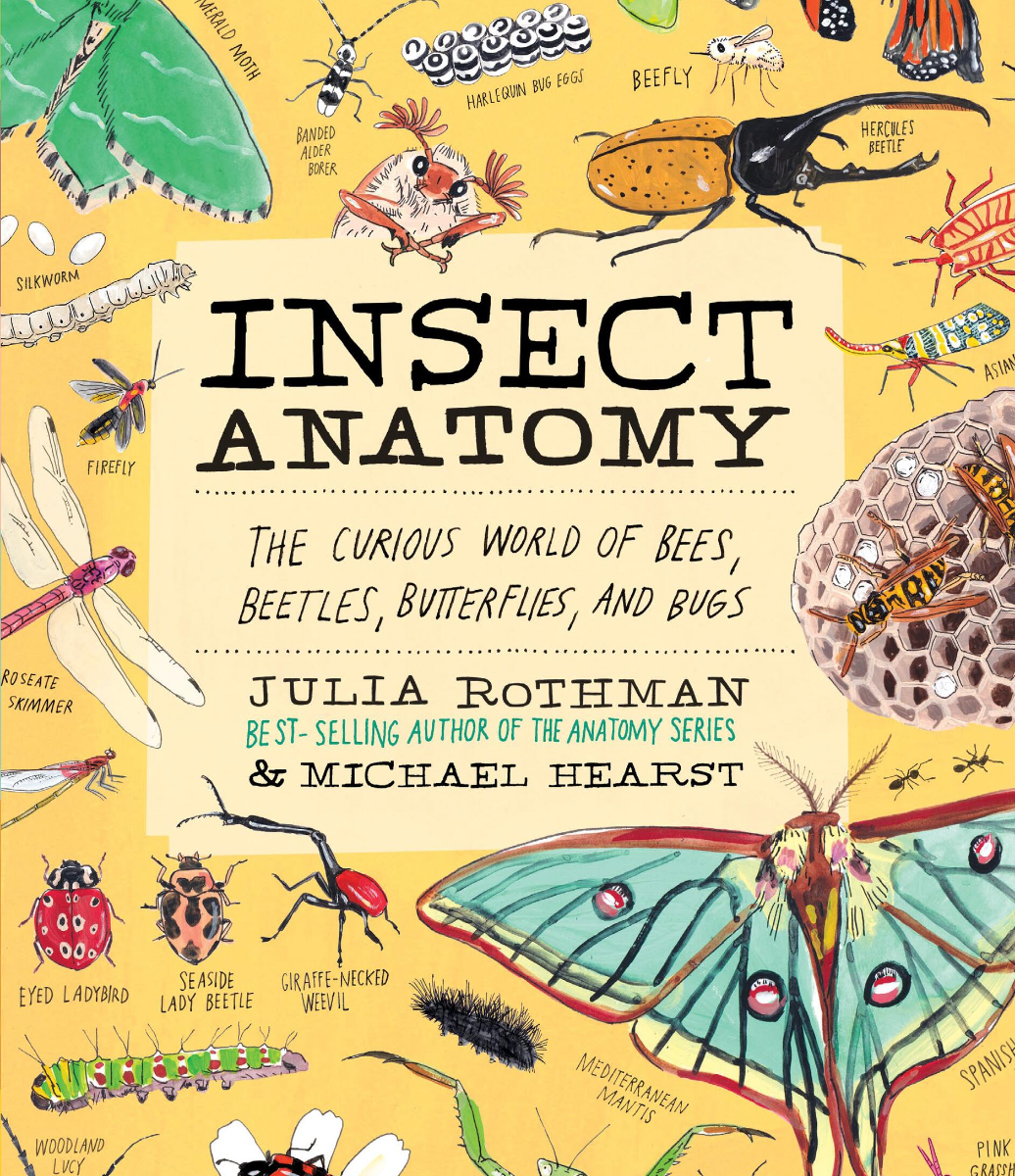
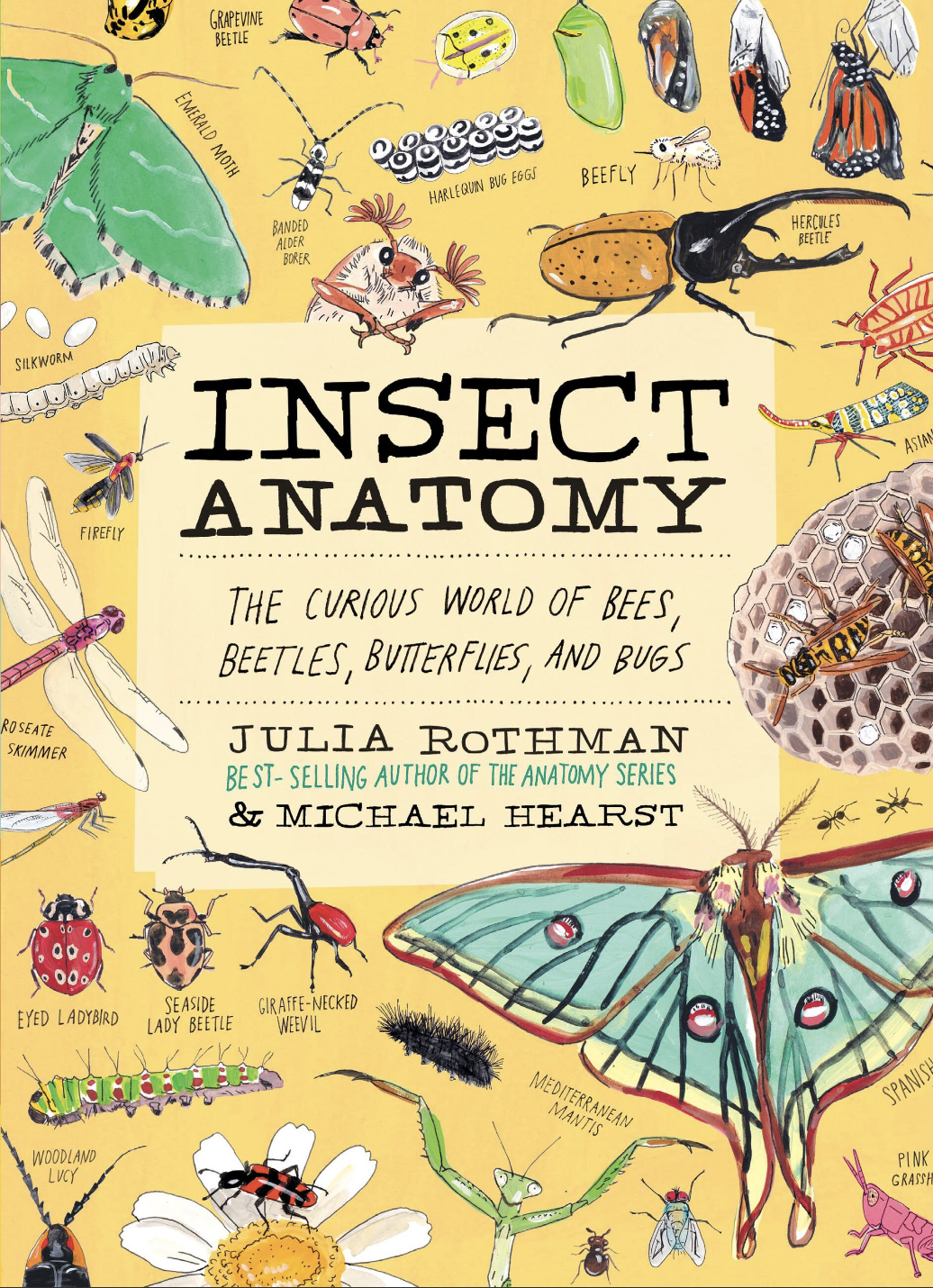
If you’ve ever tried to get kids to be interested in science, you know the challenge is getting the right information to hook their attention. Insect Anatomy by Julia Rothman is an excellent pathway into the world of insects (before you actually go out and pick up the little creepers).
What Is Insect Anatomy About?
Like the rest of Rothman’s Anatomy series, Insect Anatomy is not an encyclopedia of entomology. Instead, through seven chapters it guides children through the insect world through fun illustrations and short explanations.
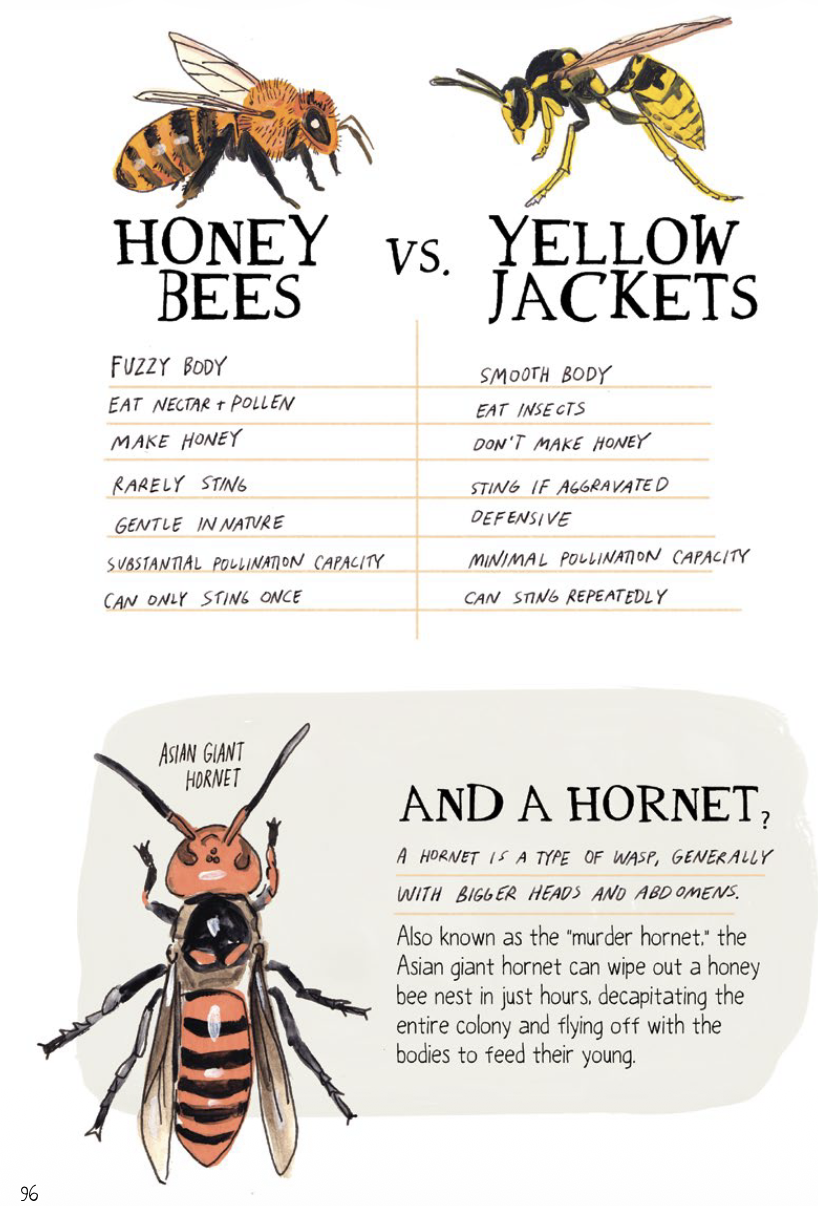
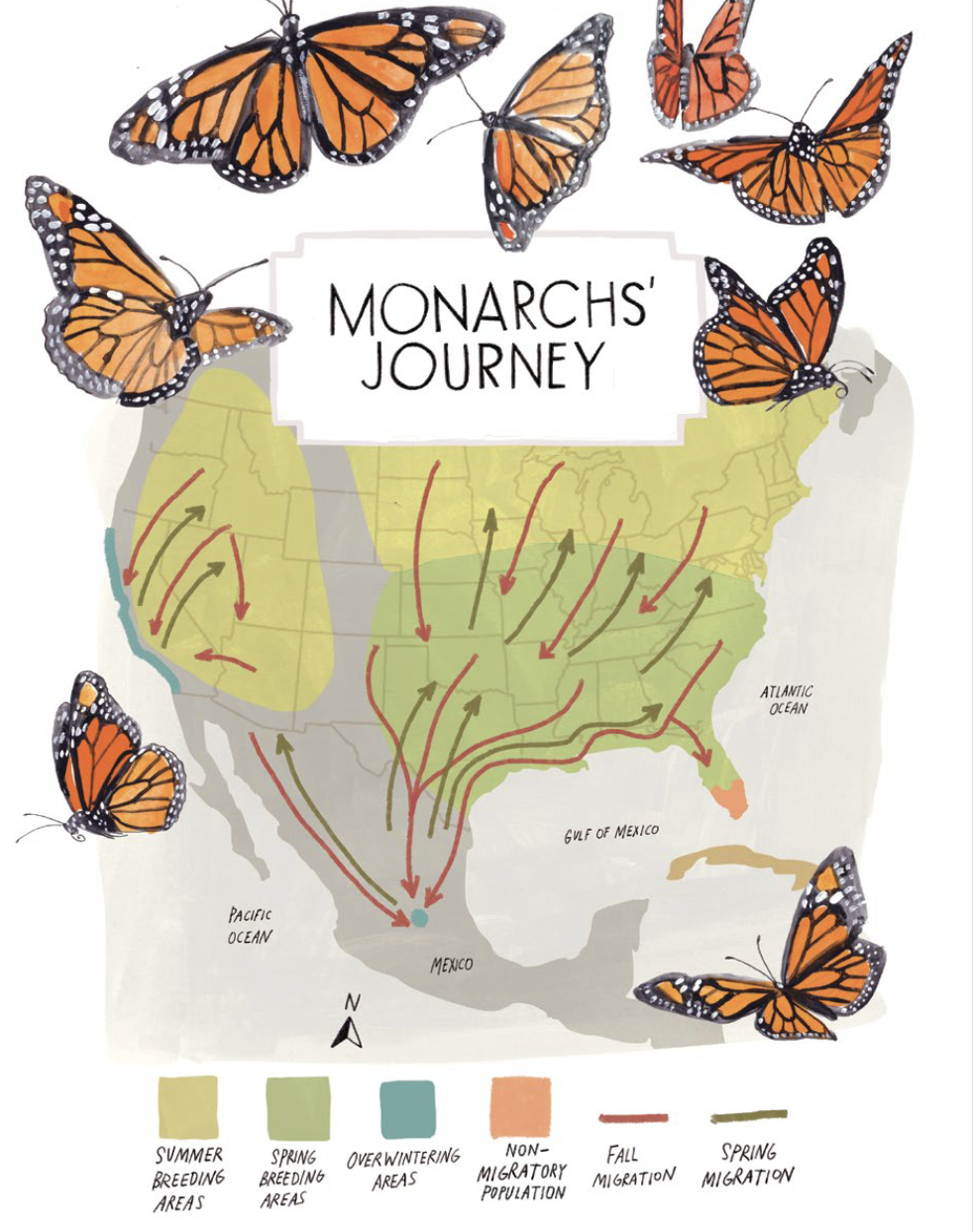
Rothman focuses on particular insects rather than speaking in generalities. You’re introduced to bees, ants, beetles, butterflies, moths, dragonflies, and more, and each are given space to show what makes them distinct. You don’t learning only what insects are, but how specific insects live, function, and differ from one another.
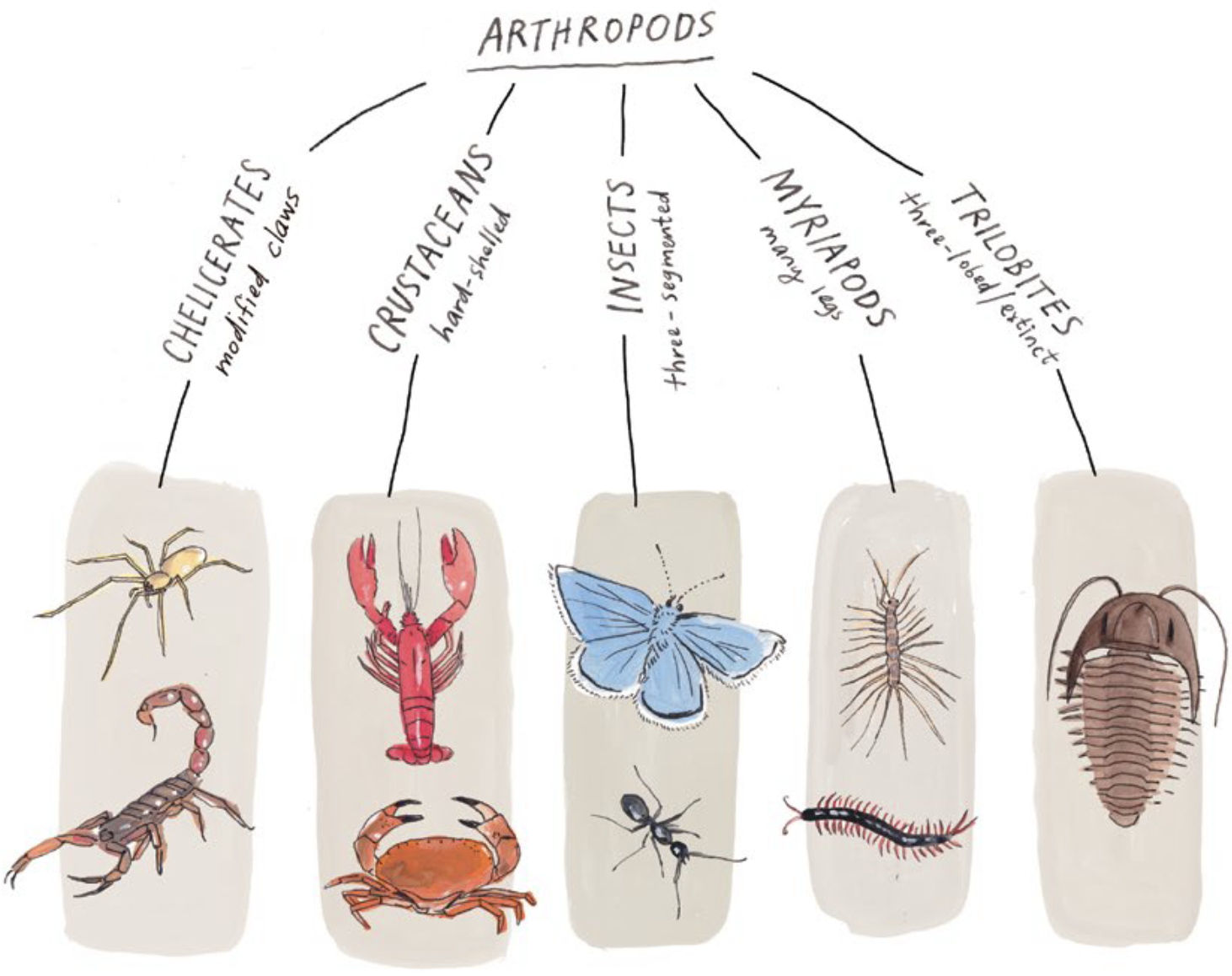
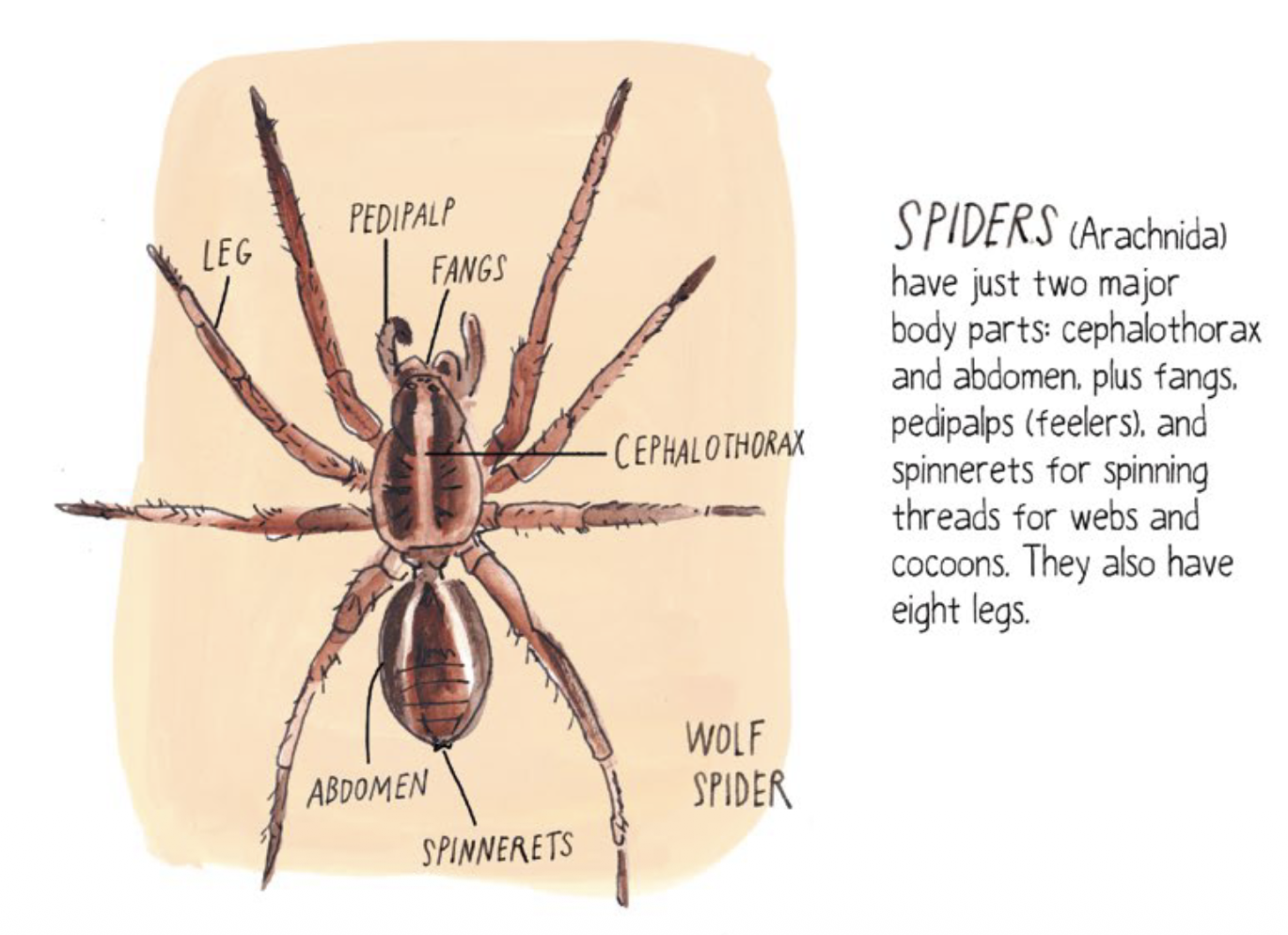
You learn the basic anatomy of insects, the division into head, thorax, and abdomen, the role of antennae, and how compound eyes work. She explains how wings function, how insects breathe through spiracles, and how exoskeletons both protect and limit growth.
Metamorphosis is clearly illustrated, helping readers see the difference between complete and incomplete life cycles. Hierarchy and cooperation is shown in the social insects like bees and ants, while Rothman shows how solitary insects have their own survival strategies.
Rothman includes smaller details that tend to stick. You see how a bee’s body is designed for pollination, how a butterfly’s proboscis works like a straw, and how beetles differ widely despite sharing a common structure. These aren’t long explanations, but they’re enough for kids to be able to remember.
What the Book Does Well
Rothman illustrates insects in a way that is easy to understand and fun to look at. Many books present insects in ways that are either too simplistic and fluffy (the opposite of what insects are) or too technical. Rothman manages to avoid both ditches.
There is a greater focus on observing insects than getting a full explanation. And Rothman also explains why certain features matter. For example, the assassin bug covers itself “with the corpses of its victims,” which “may seem peculiar and creepy, but this form of protection makes the assassin bug significantly less vulnerable to being attacked by spiders” (104). As well, praying mantises have five eyes. Their “two large compound eyes detect movement and provide depth perception and a broad field of vision. Three simple eyes, called ocelli, sit in a triangle on the head. They are sensitive to changes in light” (133).
Where It Falls Short
The coverage is uneven. Some insects get more attention than others, and entire categories are only lightly touched.
The explanations are intentionally brief. While this makes the book more accessible, it also means it rarely lingers long enough to over any depth on a single insect. Readers who want more will need to look elsewhere fairly quickly.
Practically, younger readers may struggle with the handwritten cursive style of much of the text. Older children will fare well.
Recommended?
Insect Anatomy is the perfect tool to get kids to be interested in bugs, or perhaps to help them in their budding interest. Rothman gives a clear entry point into a world of thousands of insects, which is enough to cultivate our curiosity.
Review Disclosure: I received this book free from Storey Publishing. The opinions I have expressed are my own, and I was not required to write a positive review. I am disclosing this in accordance with the Federal Trade Commission’s 16 CFR, Part 255 http://www.access.gpo.gov/nara/cfr/waisidx_03/16cfr255_03.html.
Amazon Affiliate Disclosure: I receive a percentage of revenue if you buy from Amazon on my blog (at no cost to you).