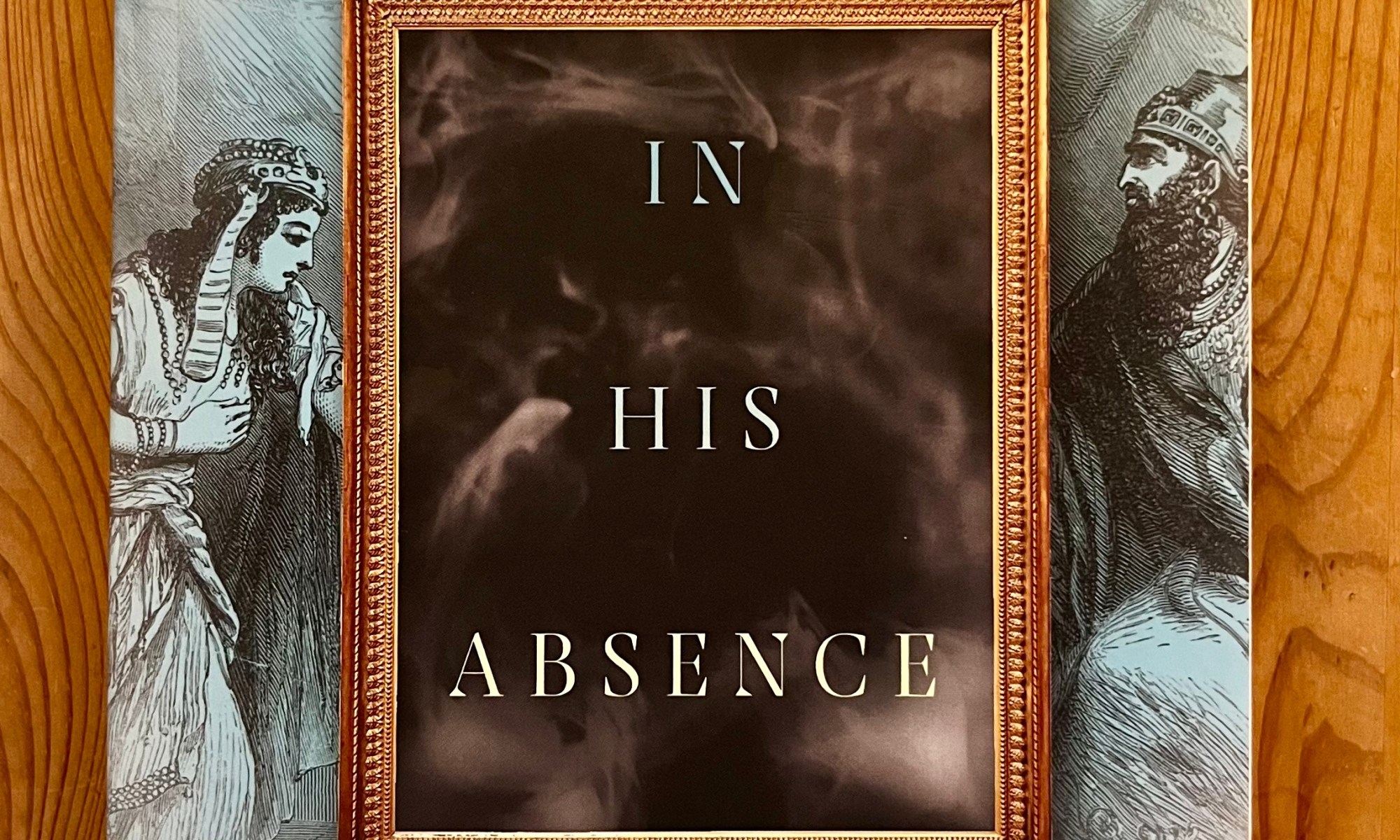


Esther and Song of Songs have always been hard for me to grasp—Esther because God never appears, and Song of Songs because its poetry feels scattered. Chloe Sun’s book takes these difficulties seriously, pairing the two texts to explore the theme of divine absence.
Book Summary
In her introduction, Sun’s looks to Psalm 22:1, “My God, my God, why have you forsaken me? Why are you so far from saving me, so far from my cries of anguish?” God’s absence is a real, felt absence. Song of Songs and Esther are the only biblical books that omit God’s name, and Sun opens them up to help you understand God’s silence.
Sun’s goal is for us to understand what we can know about God’s nature in those texts that don’t have his name, and how we should respond to his silence. God’s silence compels his people to search more thoroughly for him, leading to a deeper knowledge of God.
Using Kevin Vanhoozer’s metaphor of “digging for gold,” Sun’s method falls within the theological interpretation approach. She focuses on what these books say about God (theo-logic) and what they say about the world in relation to God and humanity (cosmo-logic). Her chapters view these two books through the lenses of literary analysis (time in ch. 3), intertextual allusions (Eden and temple, ch. 4), early reception history (festivals, ch. 5), and canonical placement (ch. 6).
Chapter one sets Esther and Song of Songs within the academic discussion of God’s divine presence and absence. Why is God seen everywhere in some books (Exodus) and not present at all in these books? After a survey of the scholarship, Sun identifies three approaches within these academic writings:
- diachronic (God gradually disappears from the text),
- dialectical (God’s presence and absence coexist), and
- canonical (the Writings portray God differently than Torah/Prophets, because in wisdom theology, God is seen more in his work of creation and through human responsibility.).
Sun insists that, actually, absence is a theological necessity. Esther and Song of Songs reveal God as both present and hidden, which enriches biblical theology by making sense of suffering and silence. This absence allows you to wrestle with faith in real human crises.
Chapter two situates Esther and Song of Songs within wisdom traditions. According to her, these books express their theology through wisdom’s concern with creation, love, responsibility, and human choices. By doing so, they function as “countertexts,” offering perspectives distinct from covenantal history and prophetic proclamation. In this way, they follow how life is normally lived and seen through God’s imagers.
The absence of the lover in Song of Songs mirrors divine absence and the desire for intimacy with God. In Esther, we see an emphasis on human agency, where Esther and Mordecai must act without explicit divine intervention (just like today). Both of these books emphasize wisdom in navigating human life and crises and reminding you that God reveals himself through love, providence, and responsibility as much as through his law and temple.
Chapter three examines time in Esther and Song of Songs. In Song of Songs, time is cyclical and dynamic, with seasons of love and absence that reflect creation’s rhythms. In Esther, time is linear, and it is structured by delays and reversals. Here, precise timing suggests God’s hidden providence. Both books show that absence intensifies longing for God and shapes our faith.
Chapter four studies sacred space in Song of Songs (set mostly in a garden) and Esther (set in a Persian palace), exploring how God’s absence reshapes sacred space. The garden setting evokes Eden and divine intimacy between God and his imagers, while the Persian palace echoes temple imagery. I won’t get into the weeds here, but Sun provides some compelling arguments here that I hadn’t noticed before. One thing we see is how absence reshaped how Israel understood where God dwelt.
Chapter five shows how Song of Songs and Esther are tied to feasts: Passover and Purim. These feasts situate these books within Israel’s redemptive memory. Song of Songs was read and interpreted as divine love during Passover; Esther became central to Purim. Brought together, they affirm that God’s absence is balanced by his faithfulness within communal liturgy and memory.
Chapter six considers the canonical placement of these two books. In the Hebrew Bible, both books appear in the Writings (called the Megilloth). Their position shapes their interpretation: Song of Songs begins the festival scrolls, and Esther ends them (see Barry Webb’s book on this subject). Sun argues these texts function as both “echoes” and “counterechoes.” They resonate with themes of love, deliverance, and sacred space that are found in other parts of the Old Testament, but they also challenge other motifs.
Song of Songs echoes creation and Eden, but it also counters the condemnations at Israel’s unfaithfulness made by Hosea, Jeremiah, and Ezekiel by celebrating love. This does not at all mean that Song of Songs disagrees with the prophets. Song of Songs shows the ideal and that it is worth striving toward. Israel’s relationship with God was often framed in terms of a broken marriage and through adultery with false gods. By contrast, Song of Songs focuses on beauty and intimacy. It celebrates love as something good, pure, and God-given.
Esther echoes the exodus. In both stories, Israel faced genocide under Pharaoh/Haman, but were delivered by Moses/Esther and Mordecai. In both stories decrees are either reversed or countered. Both Moses and Esther risk their lives by confronting Pharaoh/Ahasuerus on Israel’s behalf. But in Esther, God is silent and people are responsible agents (doing what God’s imagers do). These two books expand our understanding of God.
The book ends with a conclusion affirming that God’s absence is essential to biblical theology. It is an invitation to deeper longing and responsibility. It balances scenes of God’s presence with mystery. For Christians, God’s silence calls us to trust him and act faithfully.
The Chocolate Milk
Sun sees God’s absence as as theologically important, not something that is out of place. Viewing absence this way keeps these two books from being marginalized because they’re weird or boring. Instead, they actually help us understand divine mystery. She surveys and wrestles with scholarship while analyzing these books through the different disciplines she uses (theological interpretation, literary analysis, canonical criticism, and reception history) and the four specific themes (time, space, feast, canon) that run through them. Most scholarship treats Esther as the book of absence, and they leave Song of Songs aside. Sun argues that both belong together as the only biblical books that never mention God. That said, because I have hardly studied these books, the scholarly surveys were tedious. I’m not up-to-speed on the different scholarly theories, so I often skimmed through these parts. The conclusion summarized and repeated what the book was about without pointing toward new paths.
One thing Sun achieves, though, is to show that the wisdom (Song of Songs) and Writings (Esther) books are authoritative theological voices alongside the books most scholars tend to focus on: those that emphasize covenant, law, and salvation history. The wisdom literature approaches God’s sovereignty and rule from a different angle, but it is no less important.
Recommended?
God’s divine absence is not a problem to be solved on this side of creation. It is one way in which he relates to us, drawing us into deeper relationship with him. Song of Songs teaches that longing for love mirrors longing for God. Esther shows us that when God seems to be absent, believers (made in God’s image and who image Christ) must live faithfully at all times. Both testaments are ripe with miracles, but Scripture also includes mystery and God’s silence (Ps 13). If you are studying Esther or Song of songs, this would be a great book to add to your stack to understand God’s silence.
Buy it on Amazon or from IVP Academic
Lagniappe
- Author: Chloe T. Sun
- Paperback: 336 pages
- Publisher: IVP Academic (February 2021)
Disclosure: I received this book free from IVP Academic. The opinions I have expressed are my own, and I was not required to write a positive review. I am disclosing this in accordance with the Federal Trade Commission’s 16 CFR, Part 255 http://www.access.gpo.gov/nara/cfr/waisidx_03/16cfr255_03.html.
Amazon Affiliate Disclosure: As an Amazon Associate I earn from qualifying purchases.
 spoiledmilks